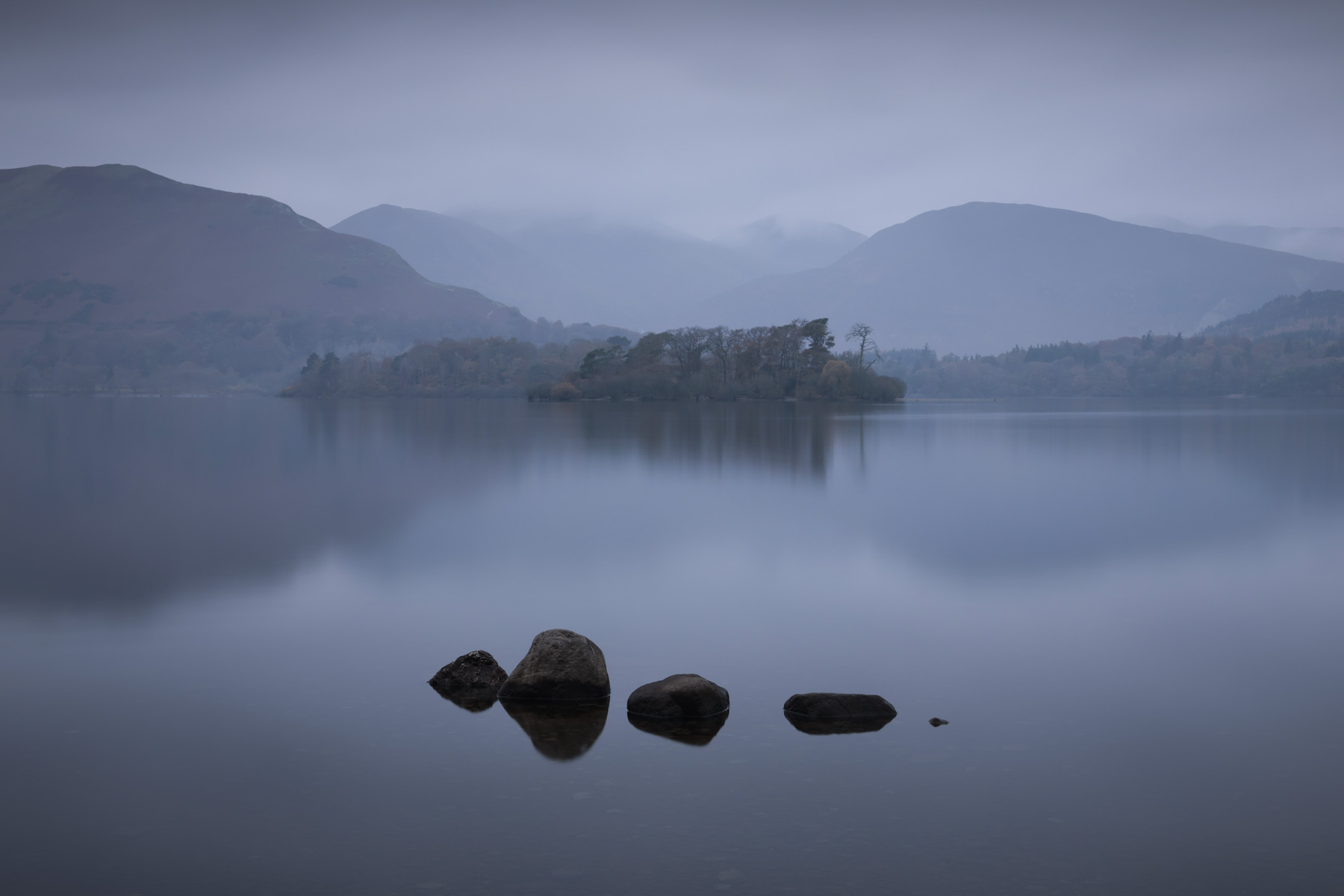
Embracing Moody Weather
February often brings unsettled weather, but for landscape photographers, that’s a gift rather than a problem. Fog, frost and low cloud can transform familiar locations into something completely different - and far more atmospheric.
The trick is learning how to anticipate these conditions and work with them rather than against them.
Reading the Conditions
Fog and frost rarely happen by accident. They’re most likely when:
- Clear skies follow a cold night
- Temperatures drop close to the dew point
- Wind speeds are low
Checking forecasts carefully the evening before can often make the difference between an average outing and something special.
Photographing Fog Successfully
Fog simplifies the landscape, which makes composition easier - but also more critical.
- Look for layers fading into the distance
- Use trees, fences or buildings as anchor points
- Don’t be afraid to shoot into the fog rather than across it
Manual focus can help when autofocus struggles in low-contrast conditions.
Frost as a Creative Tool
Frost adds texture and sparkle, especially when backlit. Look beyond the obvious:
- Grasses and seed heads
- Spider webs and fence wires
- Patterns in frozen puddles or leaves
A slight change in viewpoint can turn a mundane subject into a striking image.
Keep Processing Subtle
Atmospheric images rely on mood. Over-processing can easily destroy that.
- Use contrast sparingly
- Let shadows remain soft
- Avoid pushing clarity too far
Often less really is more.
Final Thought
Moody weather encourages a different way of working — slower, quieter and more intuitive. February is the perfect month to embrace that mindset.
Why not consider one of the many workshops I run throughout the year where I teach many of these skillsets when the weather is a little more moody? My current workshop programme can be found on my Workshops Page here >>.