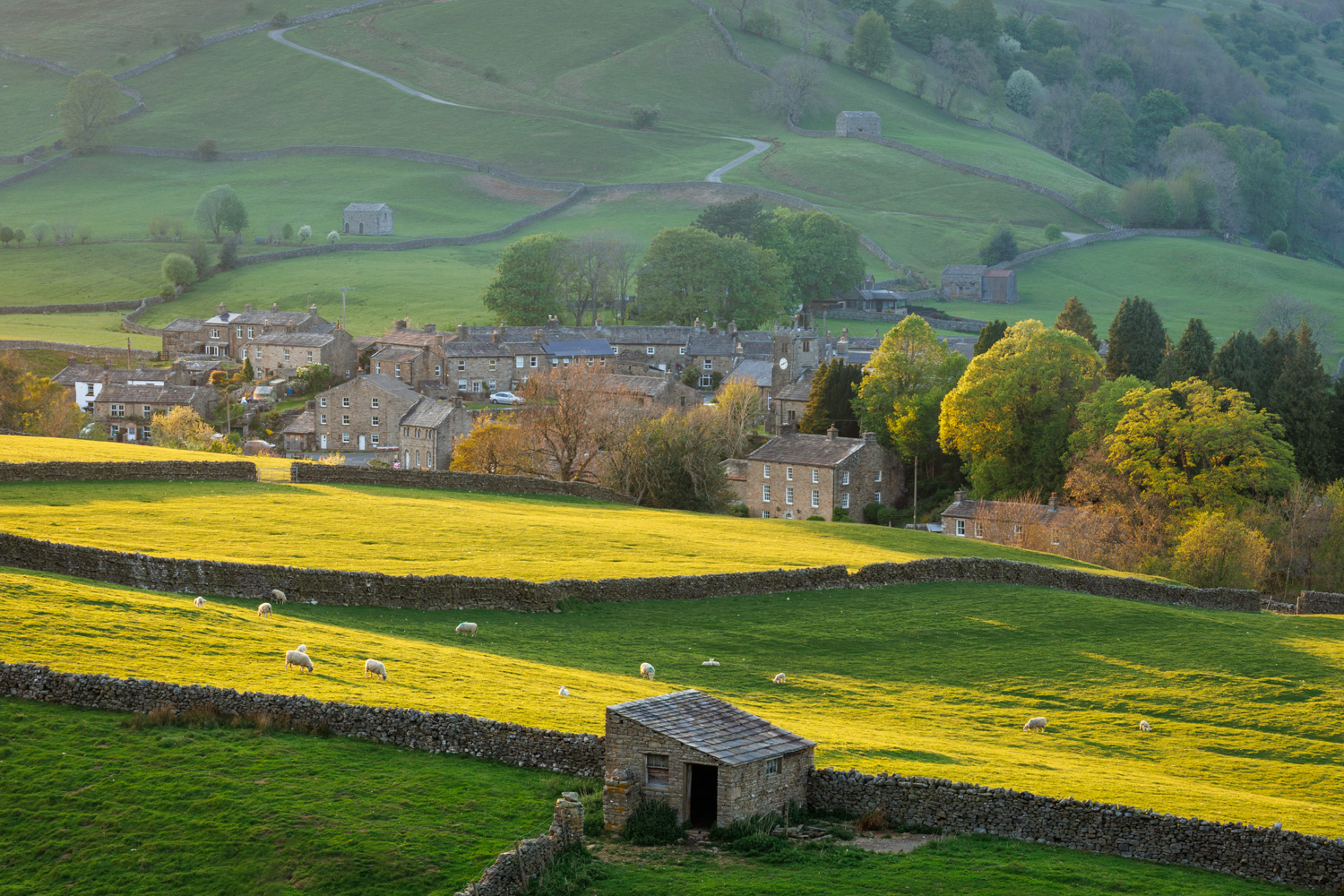
Making the Most of Spring Evenings
May is one of the most rewarding months of the year for landscape photography and this week I'm running a workshop in the beautiful Yorkshire Dales. The countryside now feels alive again, trees are fresh with new foliage, wildflowers begin to appear in abundance, and the quality of light becomes wonderfully soft and inviting.
For me, however, one of the greatest pleasures of May photography is the evening light. Longer days allow more time to explore, compositions can be refined without rushing and the warm glow of late spring sunsets can transform even familiar locations into something magical.
The Beauty of Spring Light
Unlike the harsher overhead light of summer, May evenings often bring a gentler quality of illumination. The sun sits lower in the sky for longer, creating warm sidelight that reveals texture and depth across the landscape.
Fresh greens can be difficult to photograph well in bright conditions, often appearing too vibrant or lacking detail. Evening light softens these tones beautifully and creates a more natural balance throughout the scene.
Planning Around the Light
Good light rarely happens by accident. Before heading out, I’ll often check:
- Sun direction using apps such as Sun Tracker (I'm not clever enough to use PhotoPills! 😁)
- Cloud cover to judge whether the sunset might produce colour and atmosphere
- Wind conditions if I plan to photograph woodland or wildflowers
Broken cloud can often provide the most dramatic conditions, particularly when sunlight breaks through after a passing shower or creating a red sky after sunset.
Subjects That Shine in May
- Woodland Edges – Fresh leaves glow beautifully when backlit by low sun.
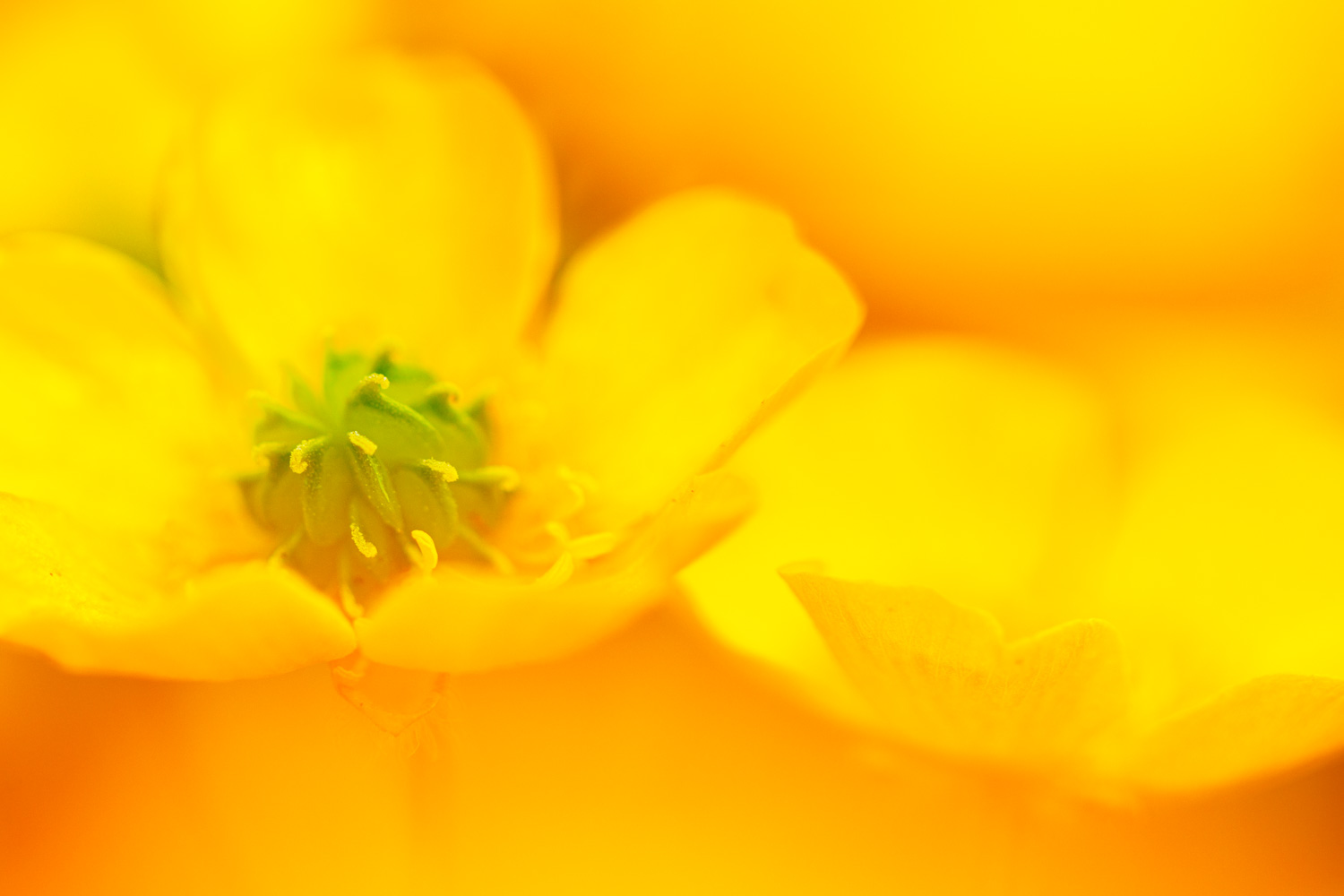
- Wildflower Meadows – Buttercups, bluebells and cow parsley add softness and colour to foregrounds.
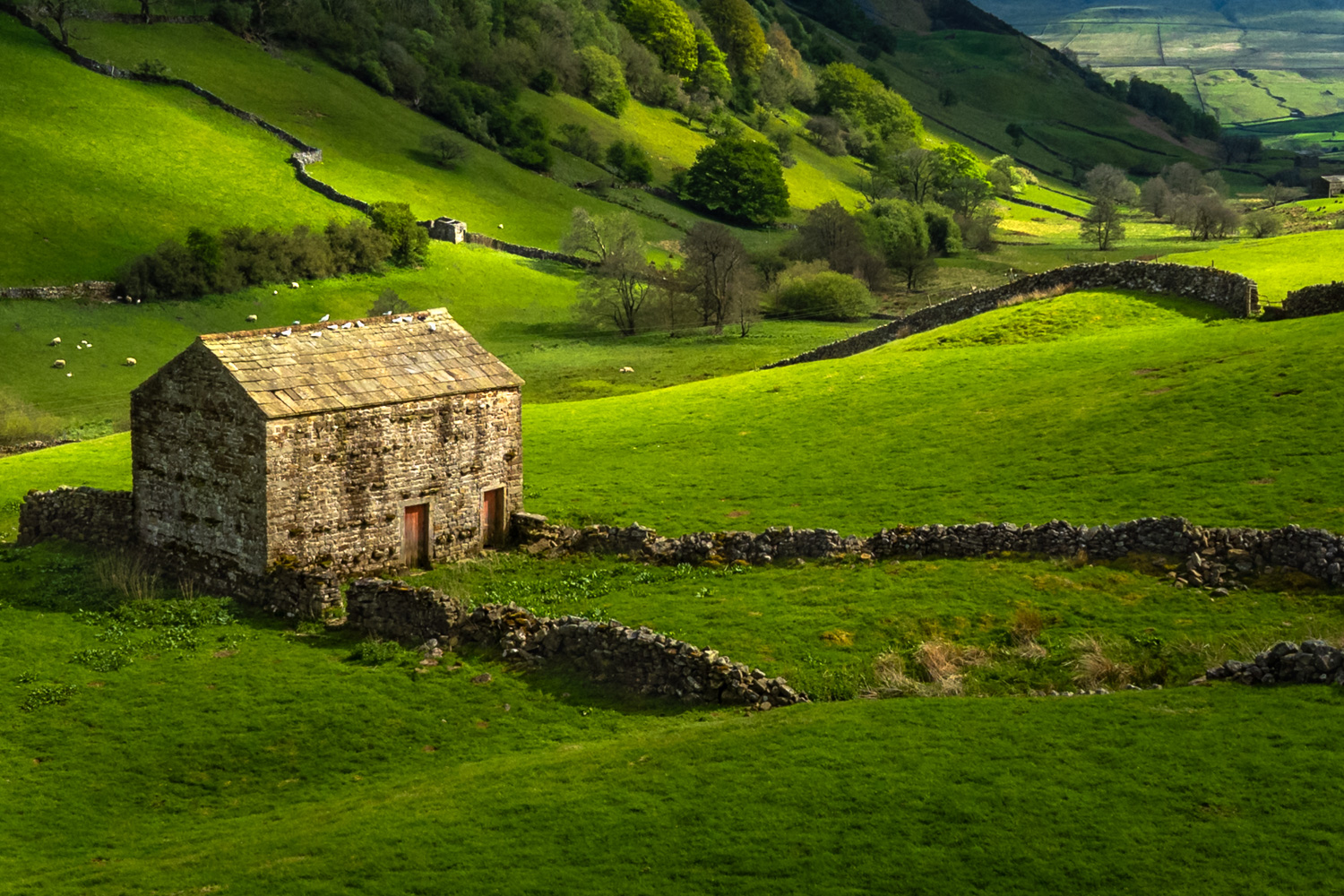
- Rolling Countryside – Long shadows across fields create shape and texture.
- Rivers and Lakes – Evening reflections are often calmer as winds drop later in the day.
Working Slowly
One of the advantages of spring evenings is time. There’s less pressure compared to the brief light of winter sunsets, allowing you to slow down and fully engage with the landscape.
I often arrive early and simply observe how the light changes across the scene. Sometimes the best photograph comes after the sun has dipped below the horizon, when colour lingers softly in the sky and the landscape takes on a quieter mood.
Filters and Exposure
A polarising filter can help control glare and enrich foliage, particularly after rain. Graduated filters may also help balance bright skies with darker foregrounds - although modern cameras offer excellent dynamic range for handling contrast naturally.
As light fades, a tripod is essential for slightly longer exposures. This helps retain detail and atmosphere without increasing ISO unnecessarily.
Don’t Pack Away Too Early
Some of the most beautiful light of the evening can arrive after sunset itself. Indeed, these days, dawn and dusk are now my favourite times to photograph. Soft pastel colours, subtle contrast and lingering warmth often create a more delicate and atmospheric mood than the sunset peak.
Stay a little longer. Watch how the landscape settles. Photography is often as much about patience as it is technique.
Final Thoughts
May is a month of renewal, freshness and possibility. The combination of longer evenings, vibrant landscapes and beautiful light makes it one of the loveliest times of year to be outdoors with a camera.
So slow down, enjoy the changing season, and spend some time chasing light this spring. Better still, why not join me on one of the many workshops I run each year and I'll show you how. For a full list check out the workshops page of my website here.