Embracing Minimalism in Winter
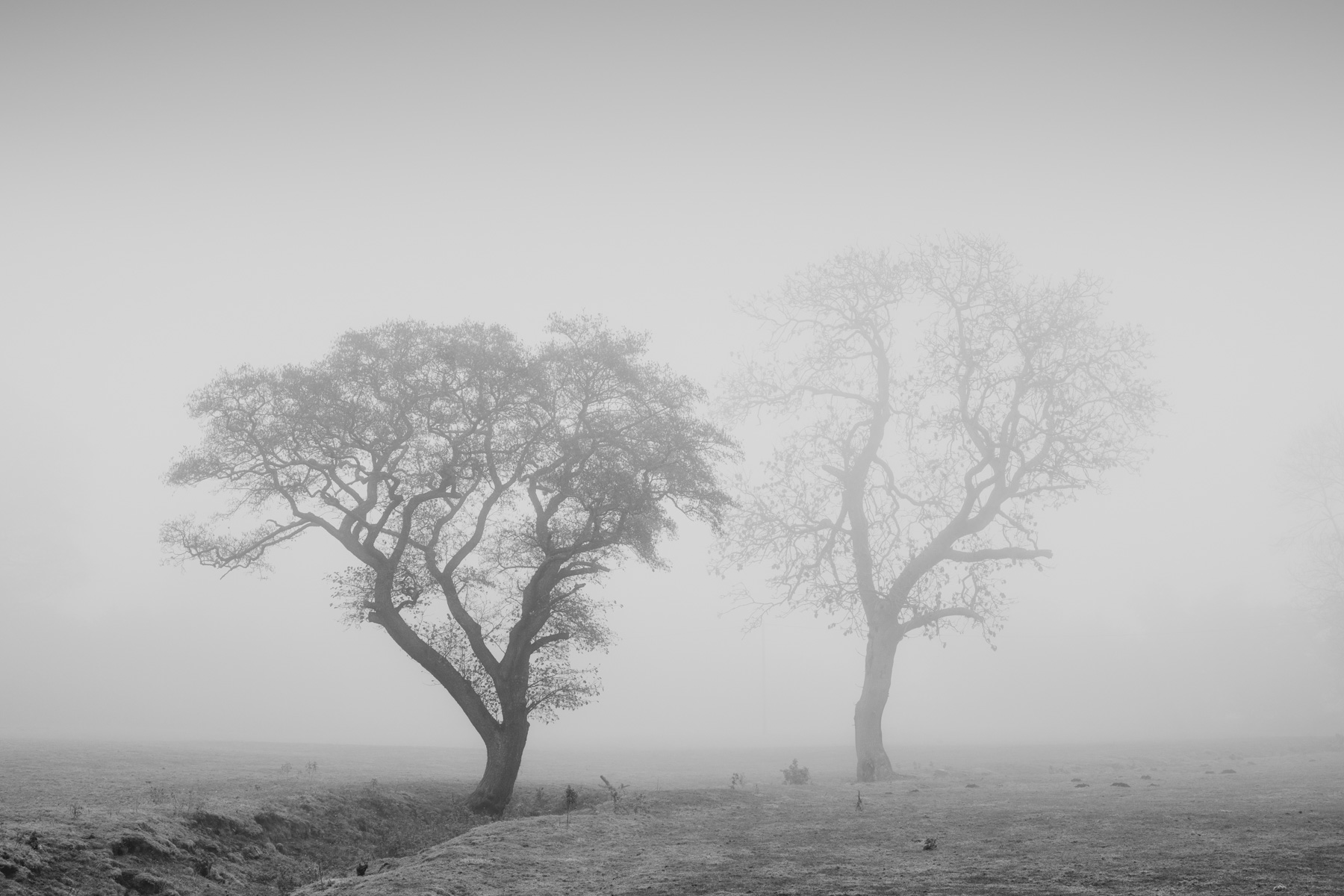
When December arrives, the landscape changes in profound and often overlooked ways. Trees stand bare against pale skies, fields are stripped to clean lines, and colour gives way to a muted, almost monochrome palette. For many photographers, this simplicity feels uninspiring—but in fact, it’s a wonderful opportunity to explore minimalism.
Minimalist photography celebrates space, shape and subtlety. It’s about distilling a scene to its essential elements and expressing mood through restraint. Winter makes this easier than any other season.
Why Winter is Perfect for Minimalism
With leaves gone, distractions are naturally reduced. A single tree in a snowy field becomes a powerful subject. Frost highlights textures you might otherwise miss. Low sun angles and soft overcast light flatten the landscape into gentle gradients. All of this helps you create images with clarity and calm.
Finding Your Subjects
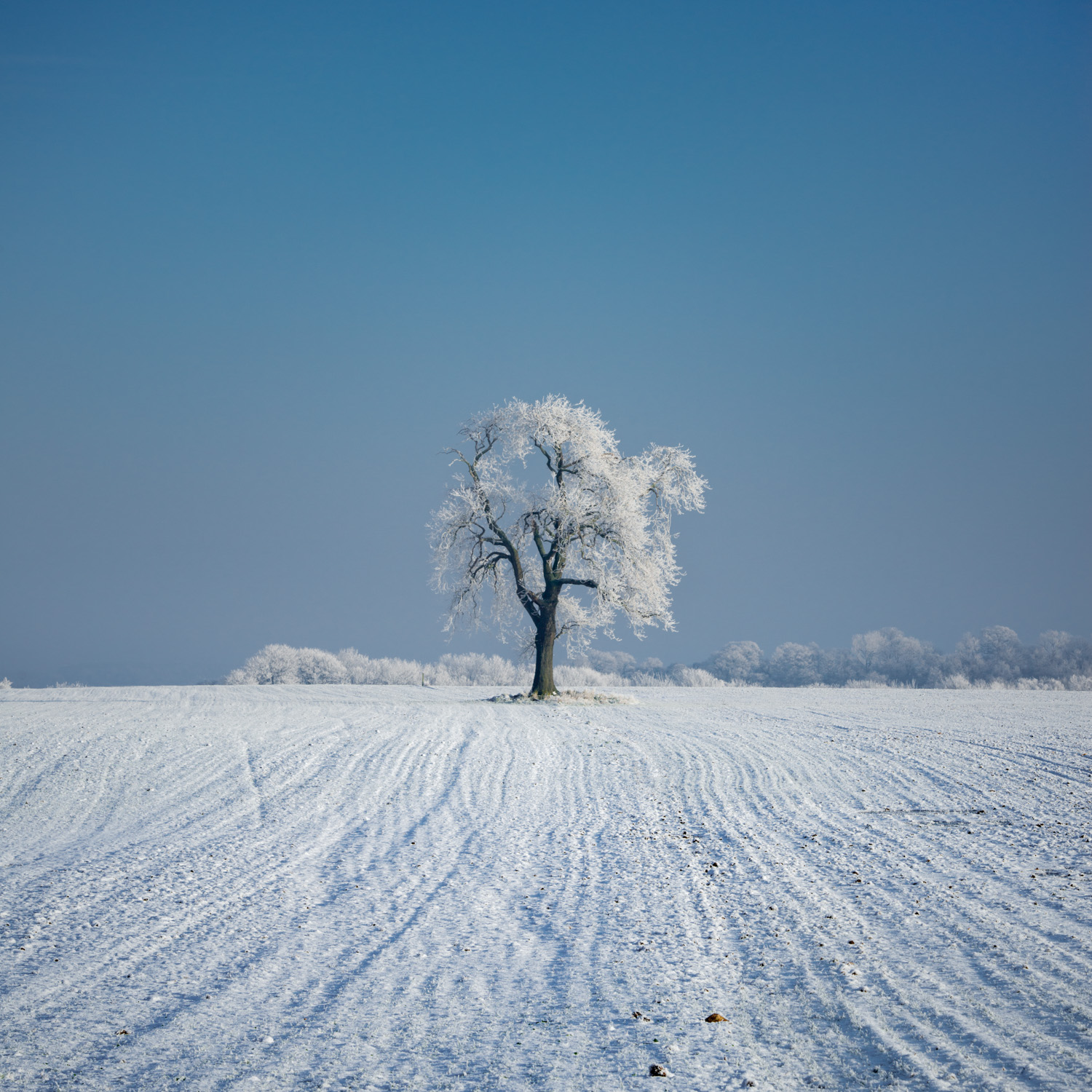
- Isolated Trees – A lone oak or birch against a pale sky or snowy field is a classic minimalist composition.
- Fence Lines and Tracks – Simple lines crossing open space add rhythm and depth.
- Lone Buildings or Barns – Especially effective in fog or falling snow.
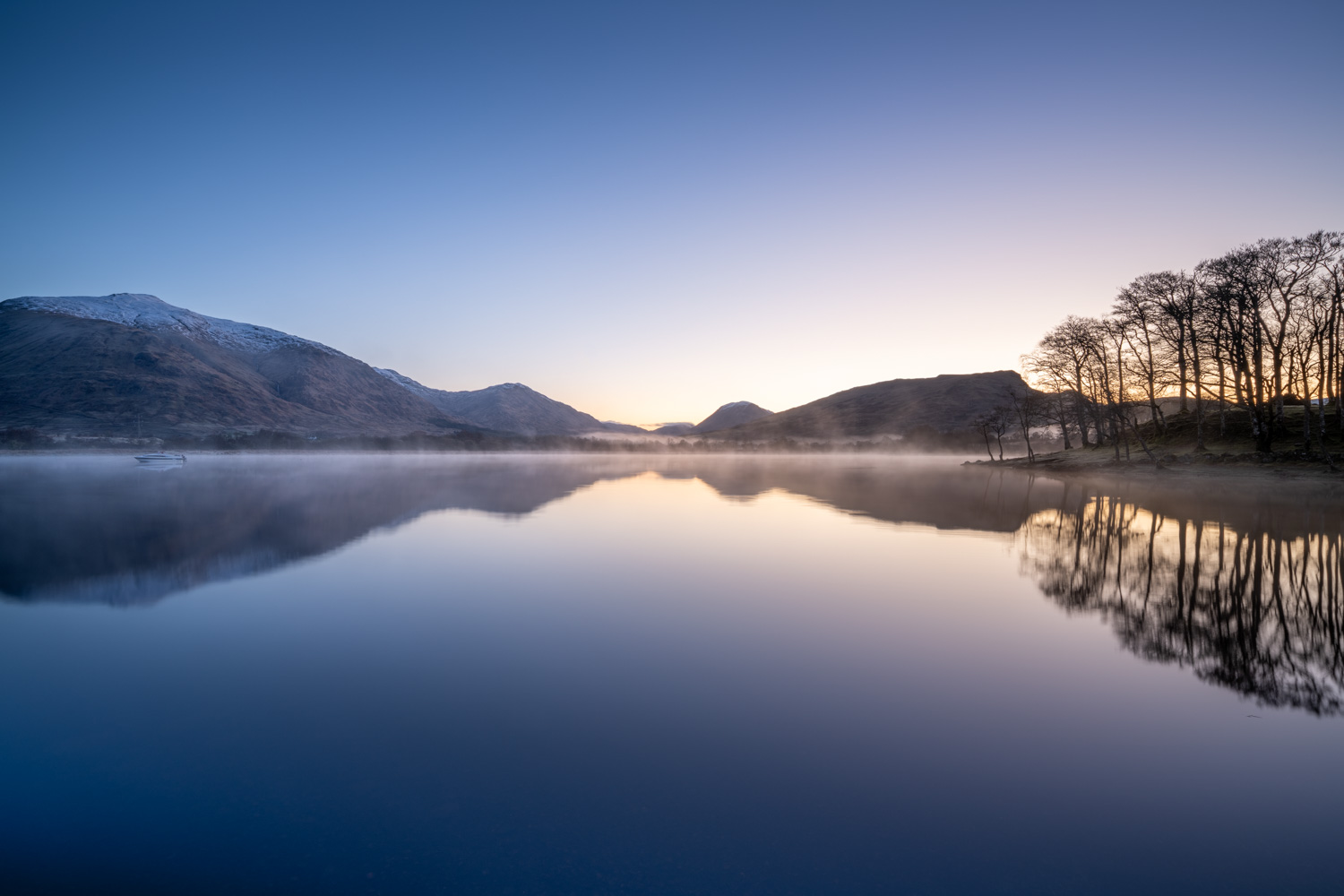
- Frozen Water – Lakes and ponds provide soft reflections and abstract patterns.
Compositional Strategies
- Embrace Negative Space – Leave plenty of empty sky or snow to let your subject breathe.
- Simplify Your Frame – Exclude anything that competes with your main element.
- Balance – Although I hate rules, using the rule of thirds or central placement does create harmony which is useful in minimalism.
- Consider Symmetry – Reflections or repeated lines can strengthen the composition.
Using Light and Weather
December light is soft and low, perfect for minimalist images. Overcast days produce a gentle, shadowless quality that reduces contrast and helps colours fade to subtle greys and pastels. Fog and falling snow are ideal—they mask clutter and add atmosphere.
Black and White Conversion
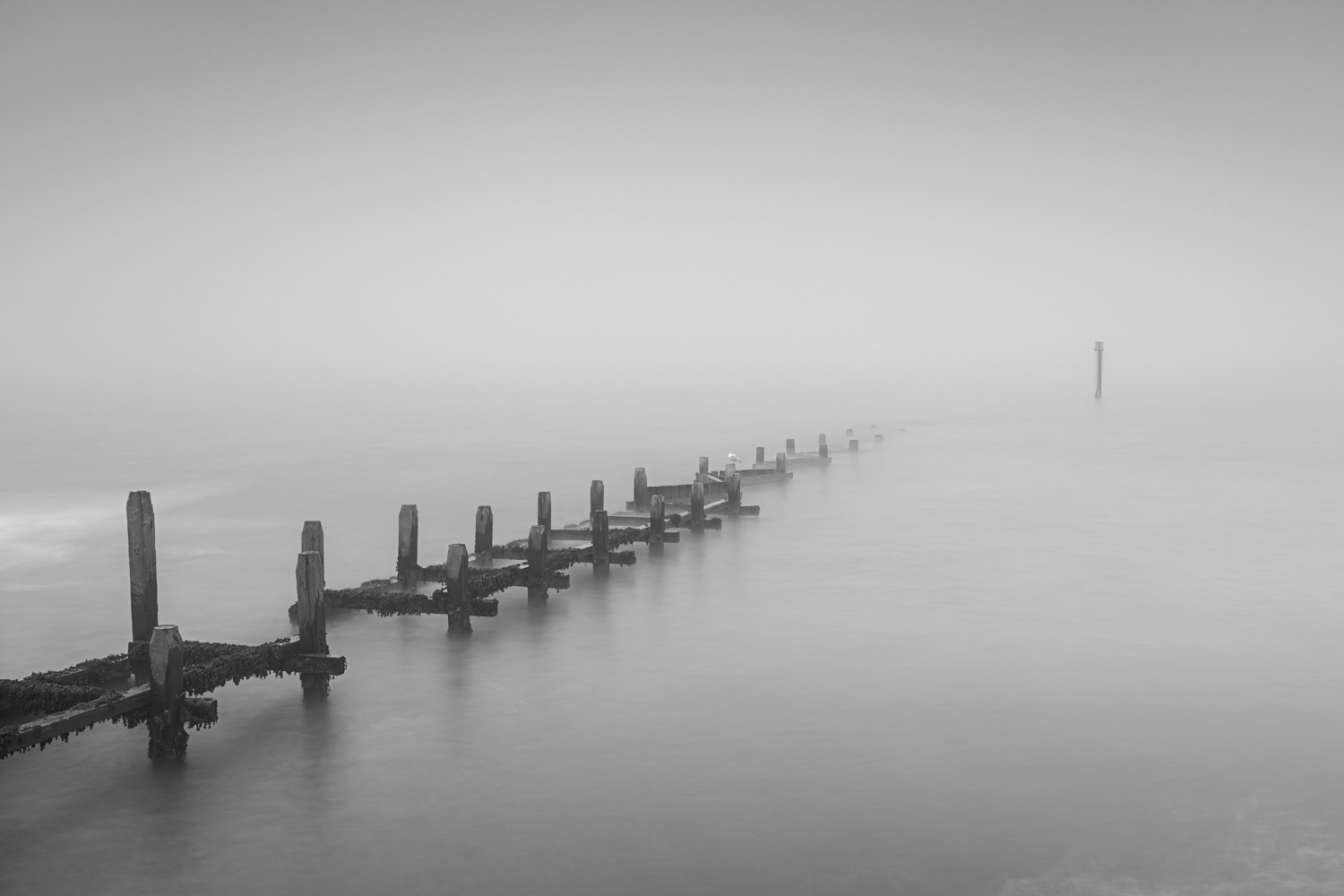
Minimalist winter scenes often look wonderful in black and white. Stripped of colour, your images rely on form, tone and texture. Try converting in post-processing and adjust the contrast to bring out delicate details in the snow or branches.
Choosing Lenses
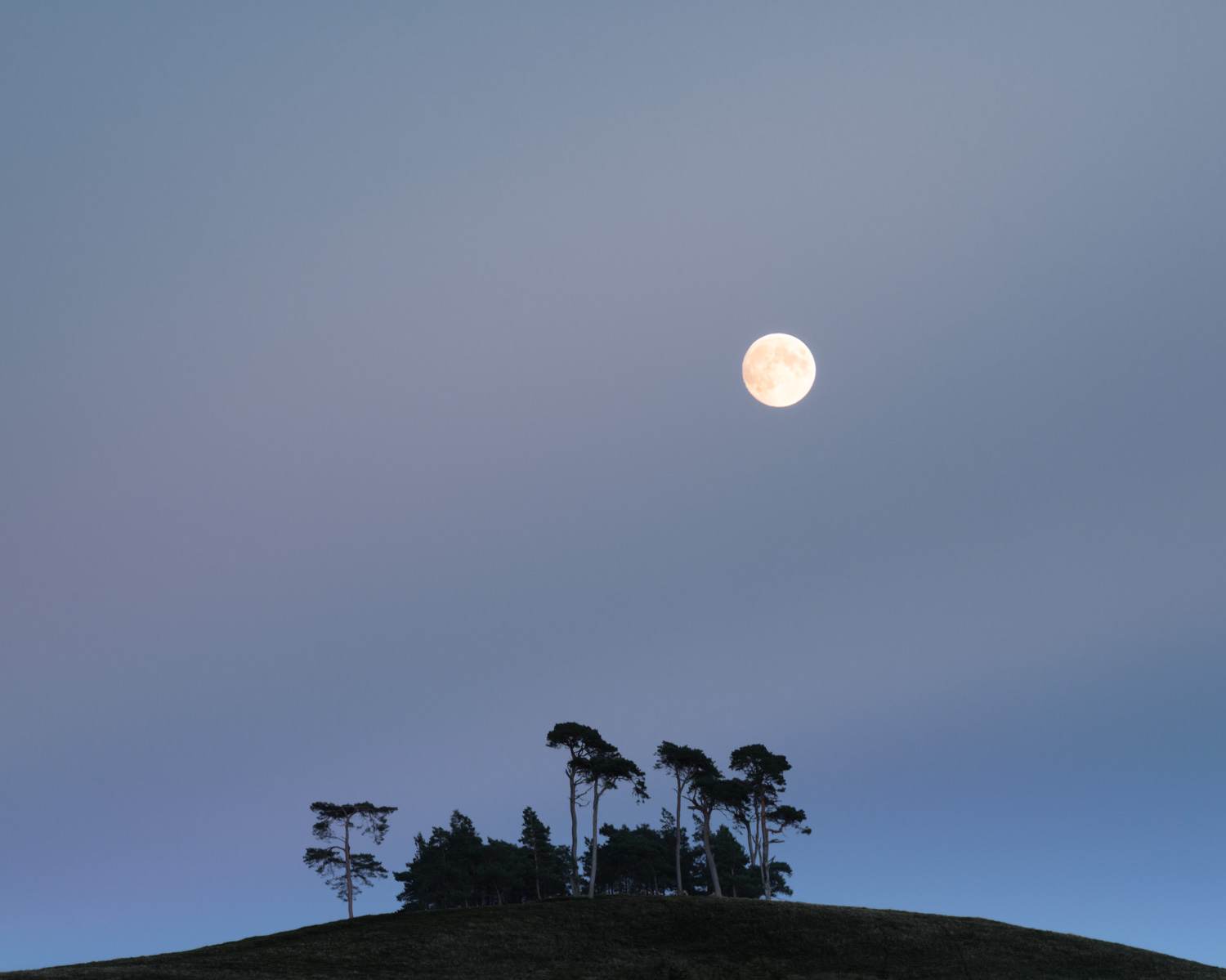
- Telephoto lenses are perfect for isolating distant subjects or compressing perspective.
- Wide lenses can emphasise space but require careful framing to avoid distractions.
Emotional Tone
Winter minimalism often conveys quietness, solitude and contemplation. It invites viewers to pause and reflect. By embracing emptiness, you can create images that feel timeless and deeply personal.
Final Thoughts
This December, resist the urge to chase grand vistas or dramatic colour. Instead, look for simplicity and space. Winter gives us the gift of a pared-back world—an invitation to slow down and see the landscape anew.
Less is truly more.