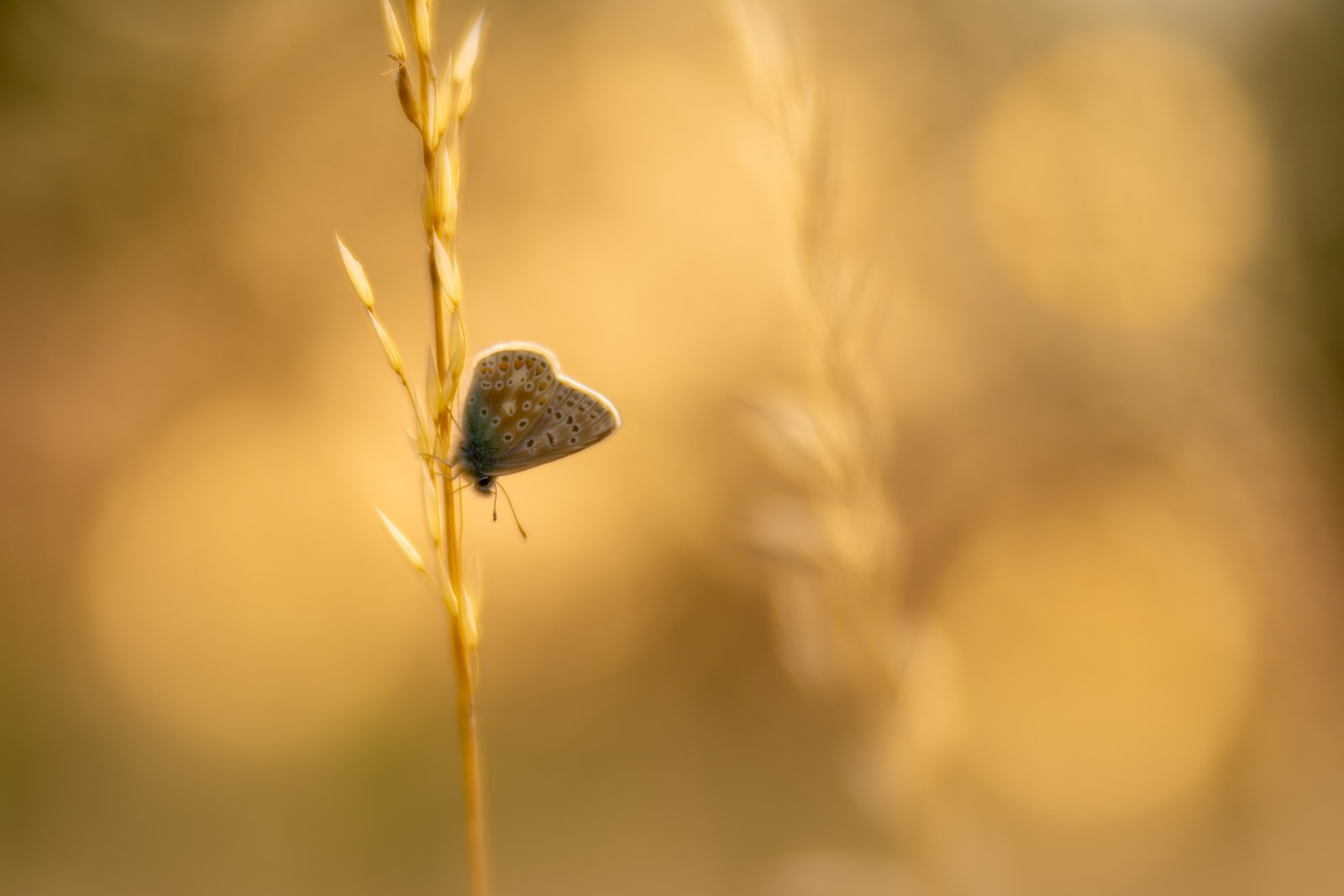
Insect Art
Last month I touched on macro photography as a way of 'keeping your eye in' during the summer months. Another great way to hone your skills is the art of insect photography. If you have a garden or live near a park, wetland, scrubland, moorland or disused quarry then photographing insects might be just the tonic you need.
I took up photographing insects a number of years ago when I found I could create a more artistic image rather than just documenting it. It also has many mental health benefits, too. There really isn't anything else like being in a meadow full of wildflowers, butterlies and insects on a warm, calm day in the middle of summer - it really is a tonic for the soul! Quite often these spaces are quiet and peaceful where you can just relax and be more contemplative - expecially if, like me, you lead an otherwise hectic life.
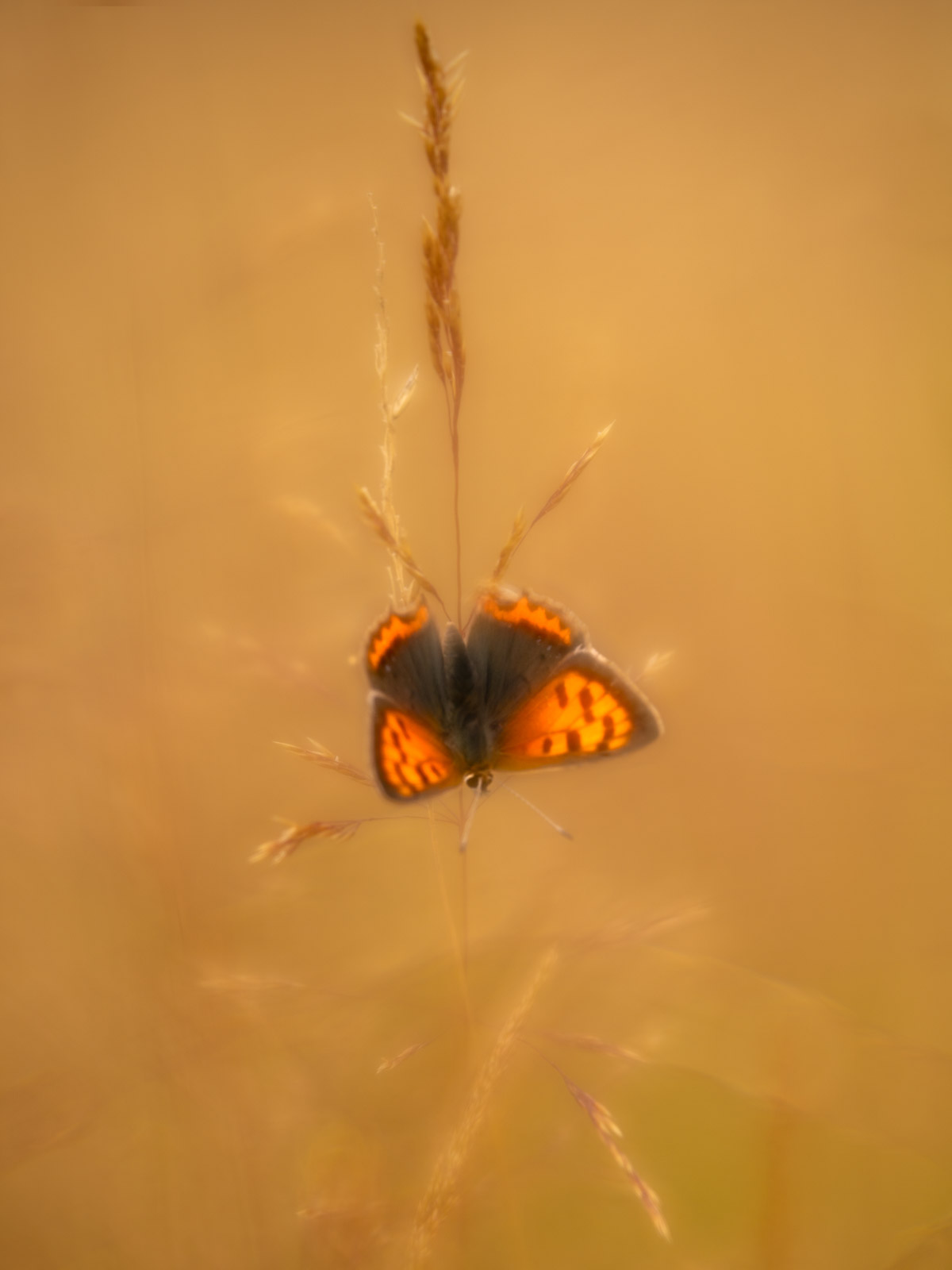
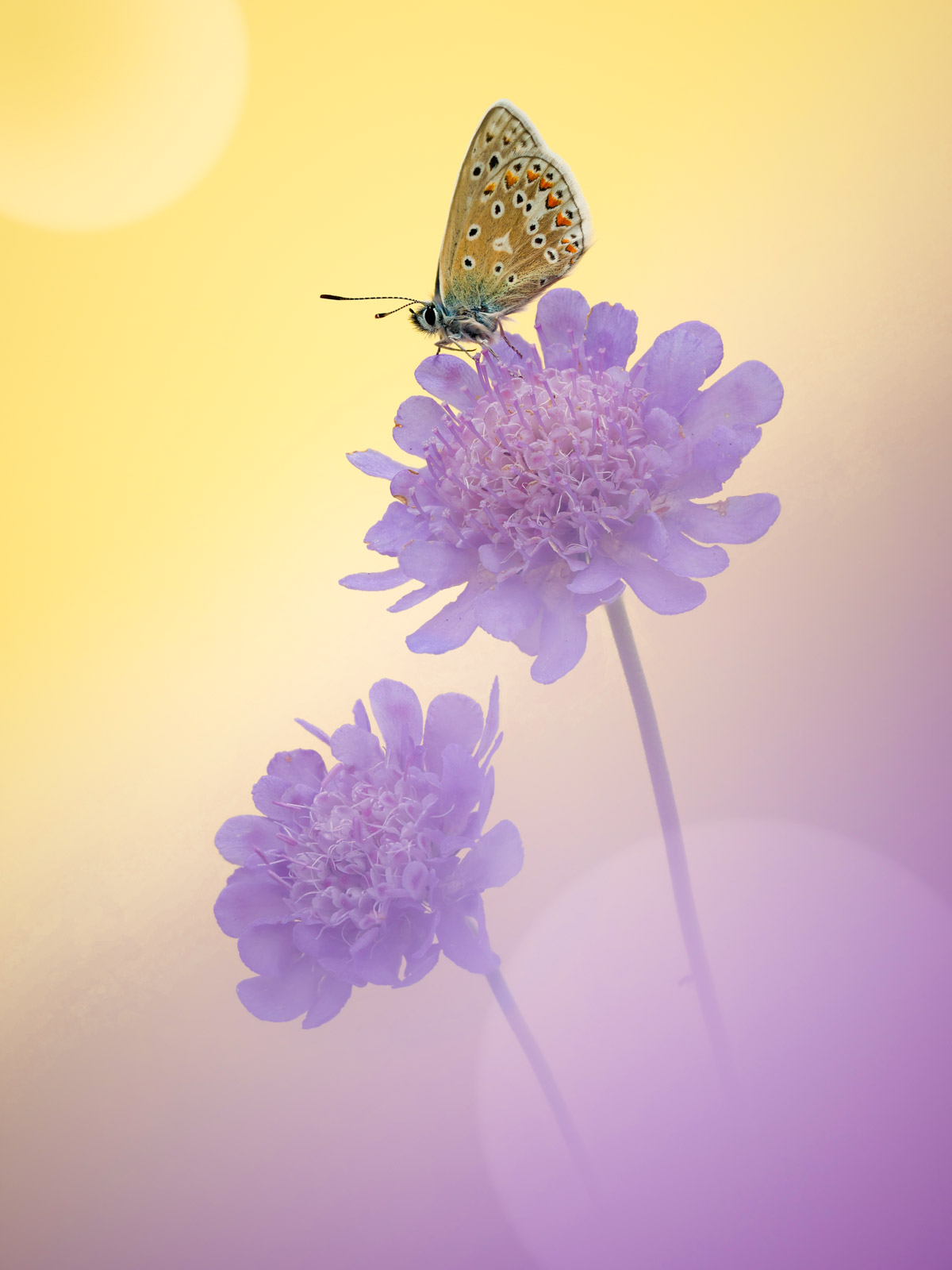
My favourite insect to photograph is the butterfly with their colourful wings standing out against their environment. The downside is they are mainly 'on the wing' when ambient temperature rises much above 15.9 degrees, so they can be tricky to photograph. Of course, you can always photograph them before temperatures rise whilst roosting but this means getting up before sunrise to be in a meadow at silly o'clock in the morning! That said, if you have access to a meadow, disused quarry or wetland I would encourage you to have a go at least once as it's one of the most delightful experiences you'll ever witness. That quiet tranquility with only birdsong and humming bees for company really is something to behold (once the pain of getting out of bed at 3.30 am has worn off)!
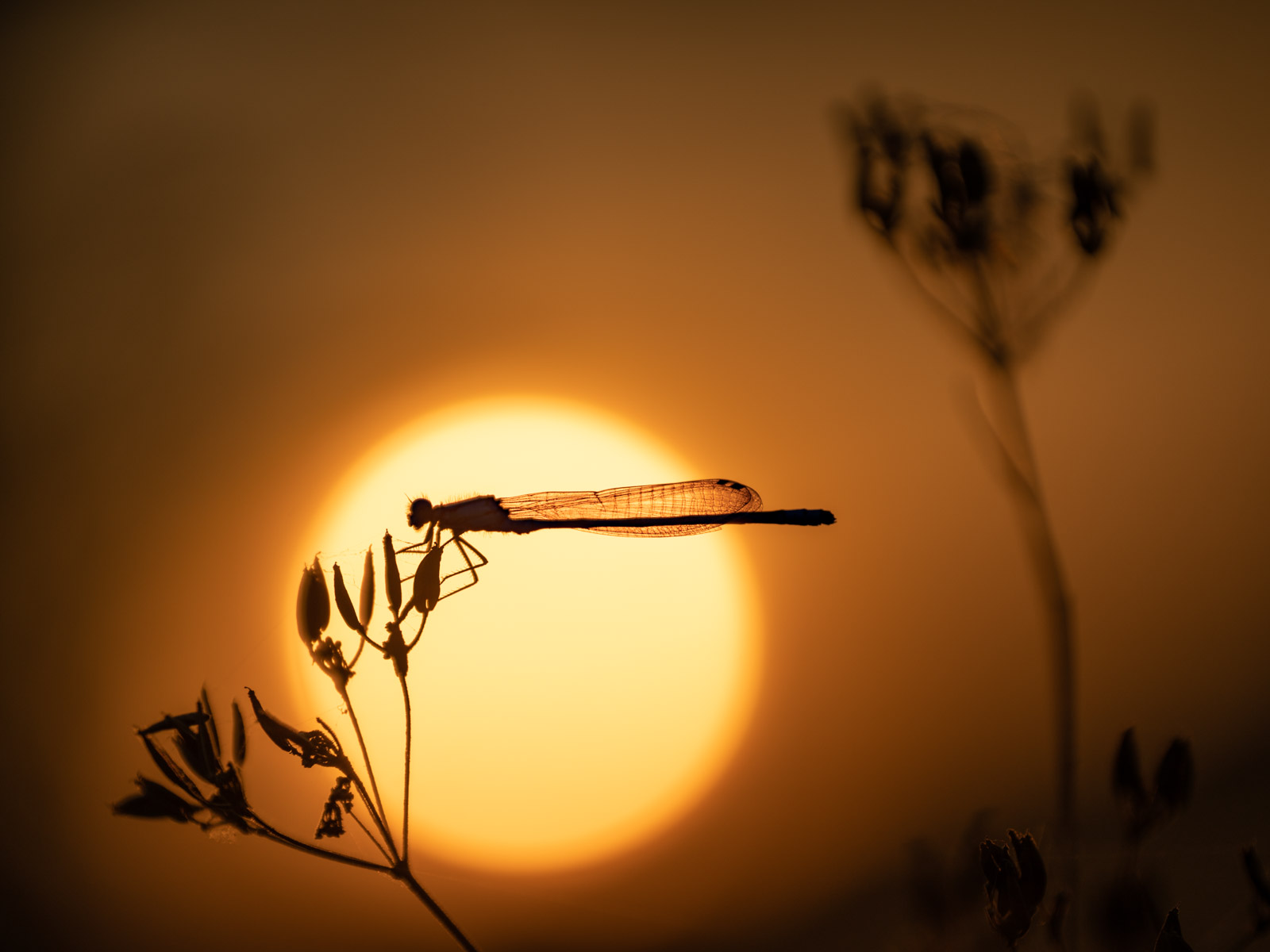
If getting up at an ungodly hour is not your thing, then consider photographing insects such as damselflies, beetles, bees and other similar insects because these are less skittish than butterlies and quite often tollerant of humans (so long as you don't get too close). You will find these around ponds, wetlands and parks at all times of the day - although they settle for longer from early evening. Like photographing wildflowers, you can be very creative using shallow depth of field aperture settings, shooting through grasses for a softer look and even creating the Orton Effect for a dreamy look if your camera has a multiple exposure feature.
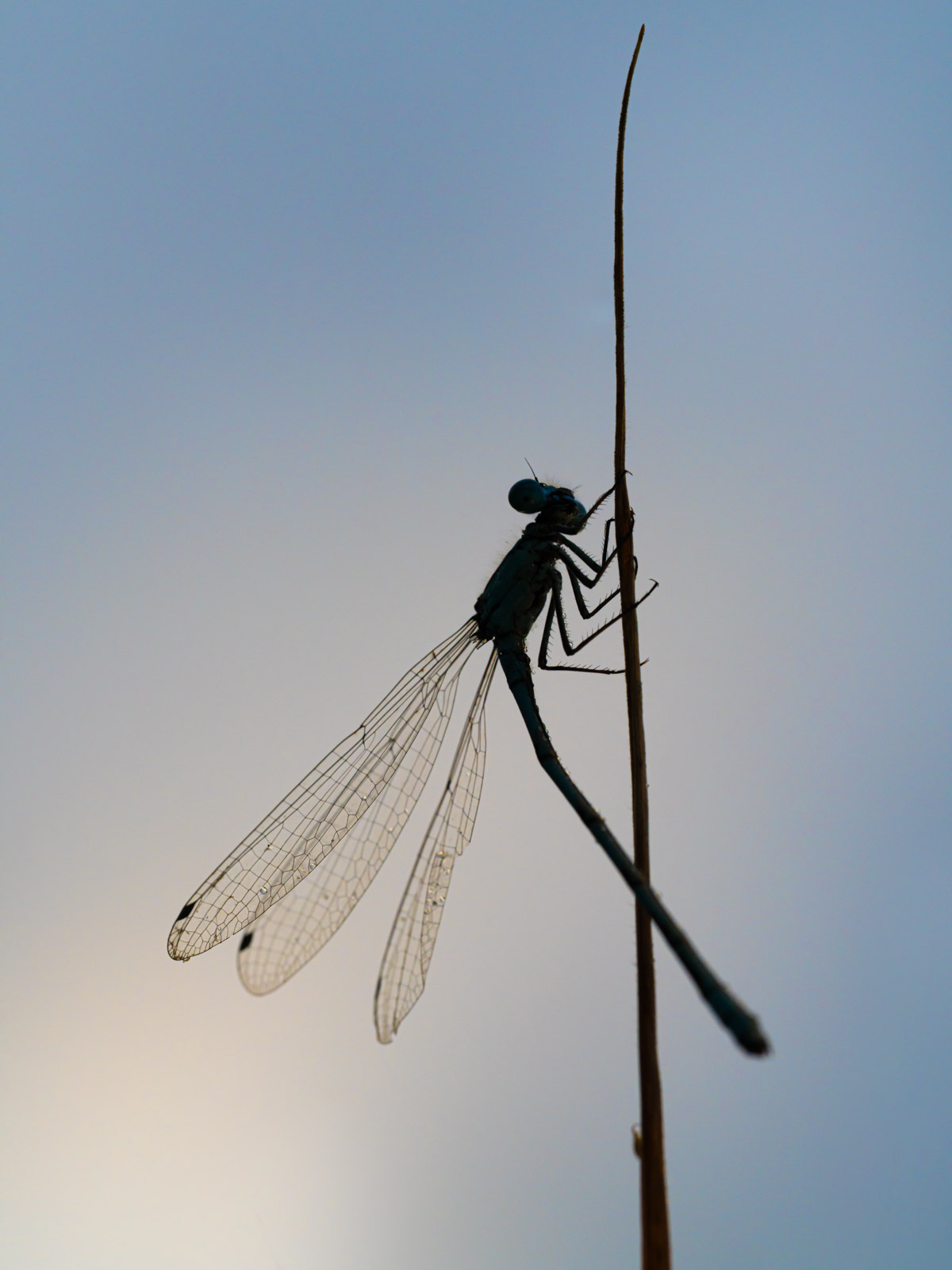
Insects like these are an indicator of how nature is responding to the ever-changing environment and climate, so it's important to take special care in these fragile places and not to just go striding through fields of wildflowers and grasses just to get 'the' image, so please approach and photograph with respect.
If you would like to learn how to photograph these fascinating creatures with an eye towards 'fine art' consider joining me on one of the several macro workshops that I run each summer near my home in Yorkshire. Check out the Workshops Page for my latest workshop program. These are always very popular so if they're fully booked please ask to be added to my waiting list. Alternatively, consider a bespoke 1-2-1 workshop where I can tailor your needs specifically.