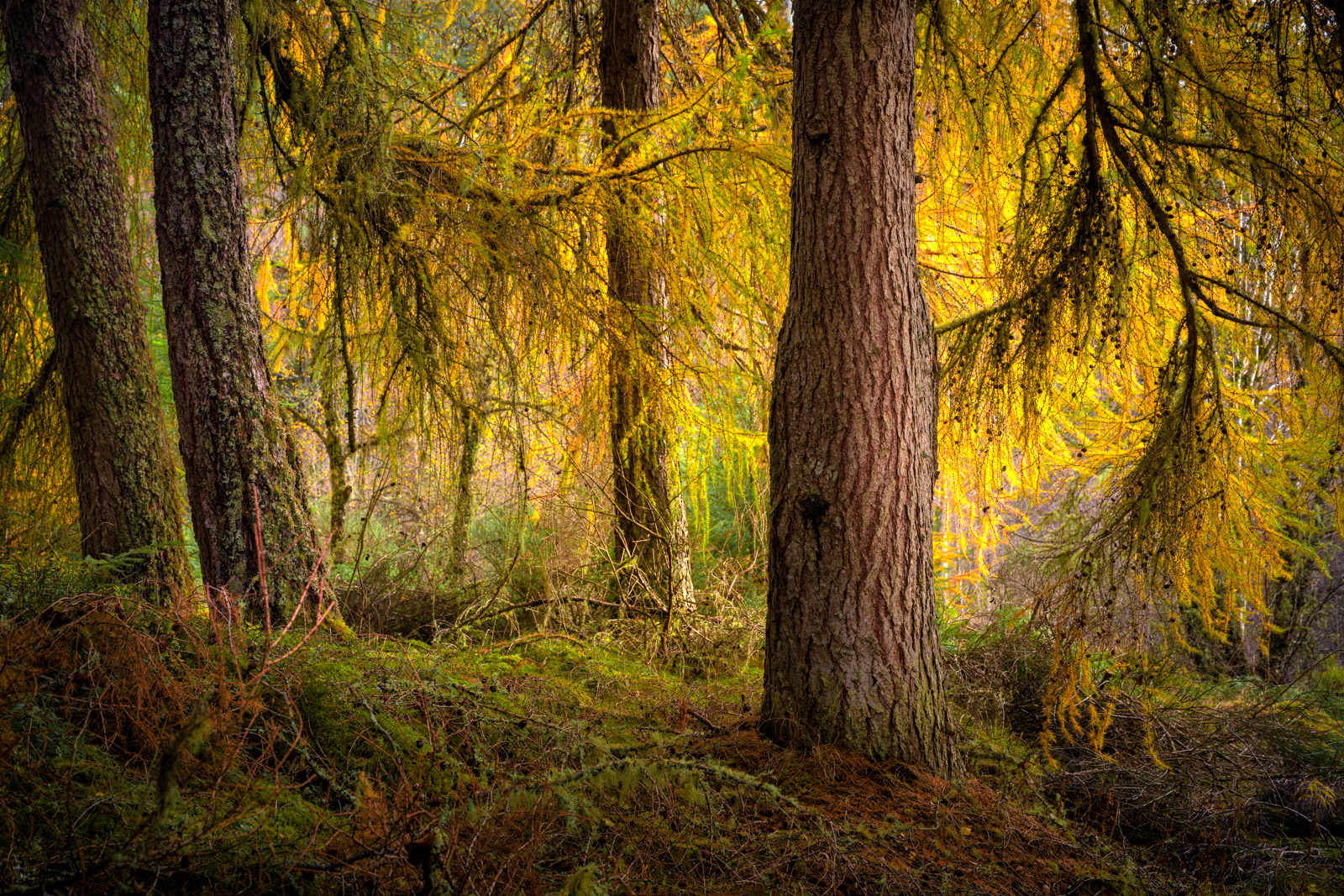
Finding Order in Landscape Chaos
One of the most common challenges I see when working with photographers on location is knowing what to photograph when confronted with a complex scene. We arrive at a beautiful location, the light is good, and yet the resulting images somehow fail to capture what attracted us to the scene in the first place.
The problem is often not a lack of technical ability. More often than not, it is because the scene contains too much information.
Landscape photographers are frequently drawn to places that are inherently chaotic. Woodlands, rocky shorelines, heather-covered moorland, mountain screes and waterfalls all contain countless shapes, textures and competing elements. Whilst these scenes can look wonderful to the eye, they don't always translate well into a photograph.
The camera records everything within the frame with ruthless honesty. It is our job as photographers to bring order to that chaos.
Start by Looking for Structure
When I arrive at a location, I rarely start by setting up my tripod. Instead, I spend time simply looking.
Ask yourself a simple question:
"What attracted me to this scene?"
It might be a curve in a river, a lone tree, a shaft of light, an interesting rock formation or a patch of autumn colour. Identifying the primary subject is the first step towards creating a stronger image.
Once you've found that subject, look for ways to build the composition around it. The strongest landscape photographs usually have a clear structure, with supporting elements helping to guide the viewer towards the main point of interest.
If everything in the frame is competing for attention, the viewer won't know where to look.
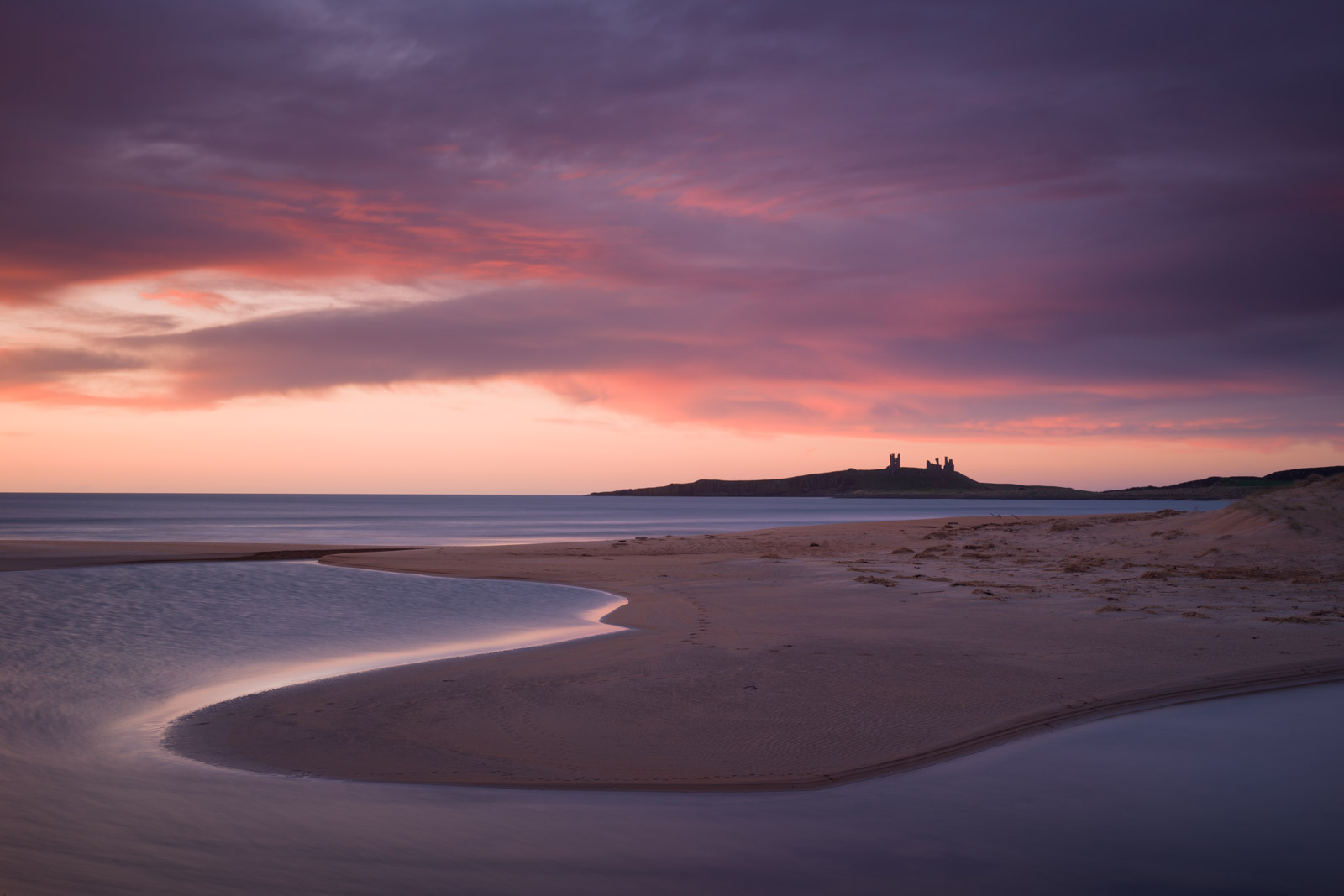
Simplify Relentlessly
One of the hardest lessons for photographers to learn is that including more rarely makes an image stronger.
In fact, the opposite is usually true.
As photographers, we should constantly ask ourselves:
"What can I leave out?"
A small change in camera position can remove an unwanted branch, a distracting rock or an untidy section of foreground. A longer focal length can help isolate the most interesting part of a scene, whilst a tighter crop can eliminate distractions around the edges of the frame.
Whenever I review images with workshop participants, we often discover that the strongest photograph is not the widest view, but the simplest.
Less really can be more.
Pay Attention to Tonal Contrast
We often think of composition in terms of shapes and lines, but tonal contrast can be equally important.
Our eyes are naturally drawn to areas of brightness and contrast. This means that a bright patch of sky, a sunlit rock or a shaft of light in woodland can become the dominant feature in an image, whether we intended it to or not.
When composing, take a moment to look beyond the obvious subject and ask yourself where the brightest areas are.
If they don't contribute to the image, consider changing your position, adjusting your framing or waiting for the light to change.
Understanding how light influences visual balance is one of the keys to creating more successful compositions.
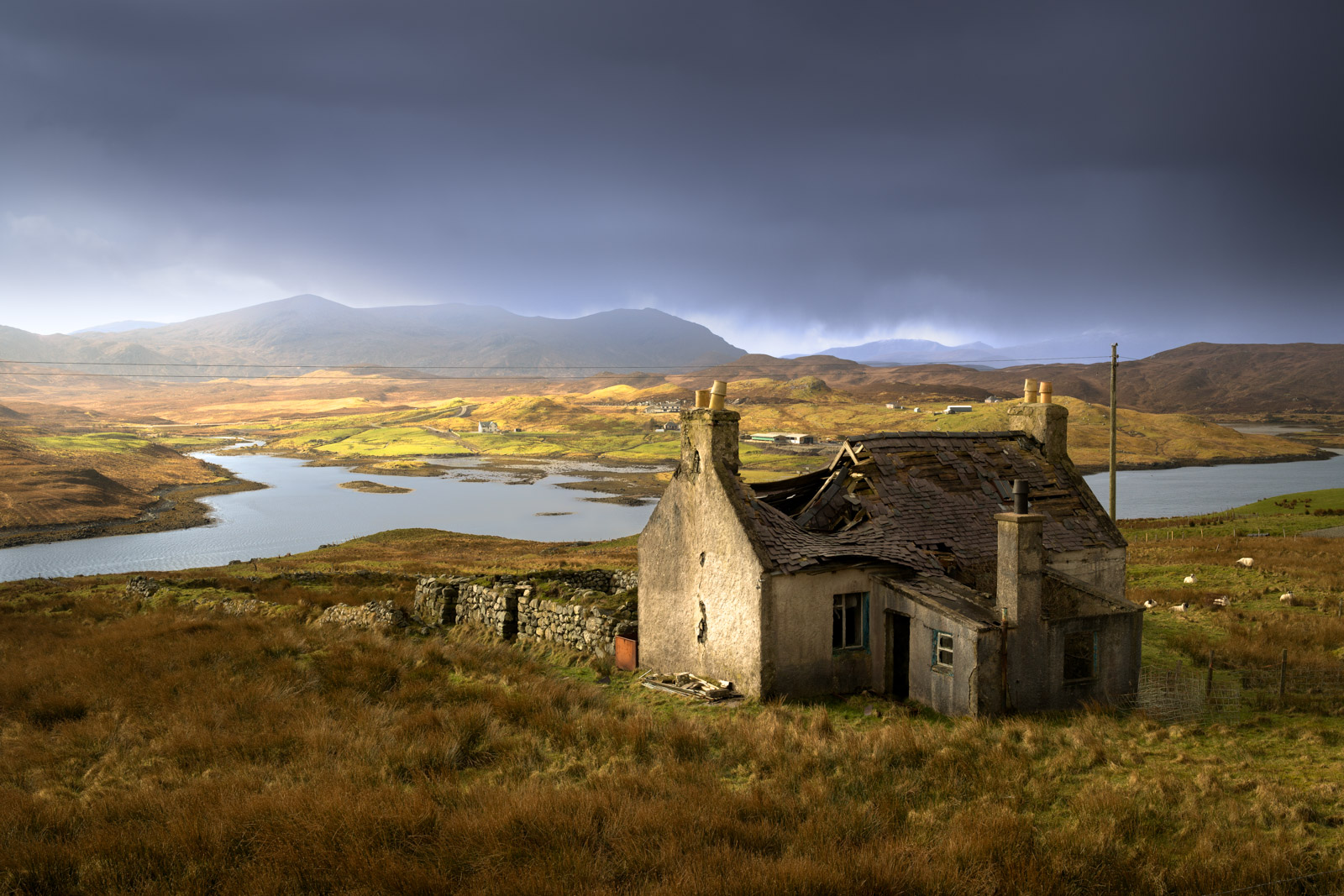
Learn to See Smaller
Many photographers automatically try to include everything they can see. The result is often a photograph that lacks impact because it attempts to tell too many stories at once.
Instead, challenge yourself to see smaller scenes within larger landscapes.
A cluster of rocks on a beach. A patch of colourful bracken. Frost patterns on a stone wall. Reflections in a pool of water.
By isolating smaller subjects, you can often create images with far greater clarity and impact.
Some of my favourite photographs have come from locations where the grand landscape itself wasn't working, but where smaller details revealed themselves once I slowed down and looked more carefully.
Slow Down
Perhaps the most valuable advice I can offer is simply to slow down.
Modern photography encourages us to move quickly. We arrive at a location, set up the tripod, take a few frames and move on.
However, the best compositions often reveal themselves gradually.
Take time to explore. Walk around. Look from different angles. Study the relationships between the various elements within the scene.
The longer you spend observing, the more likely you are to discover order hidden within the apparent chaos.
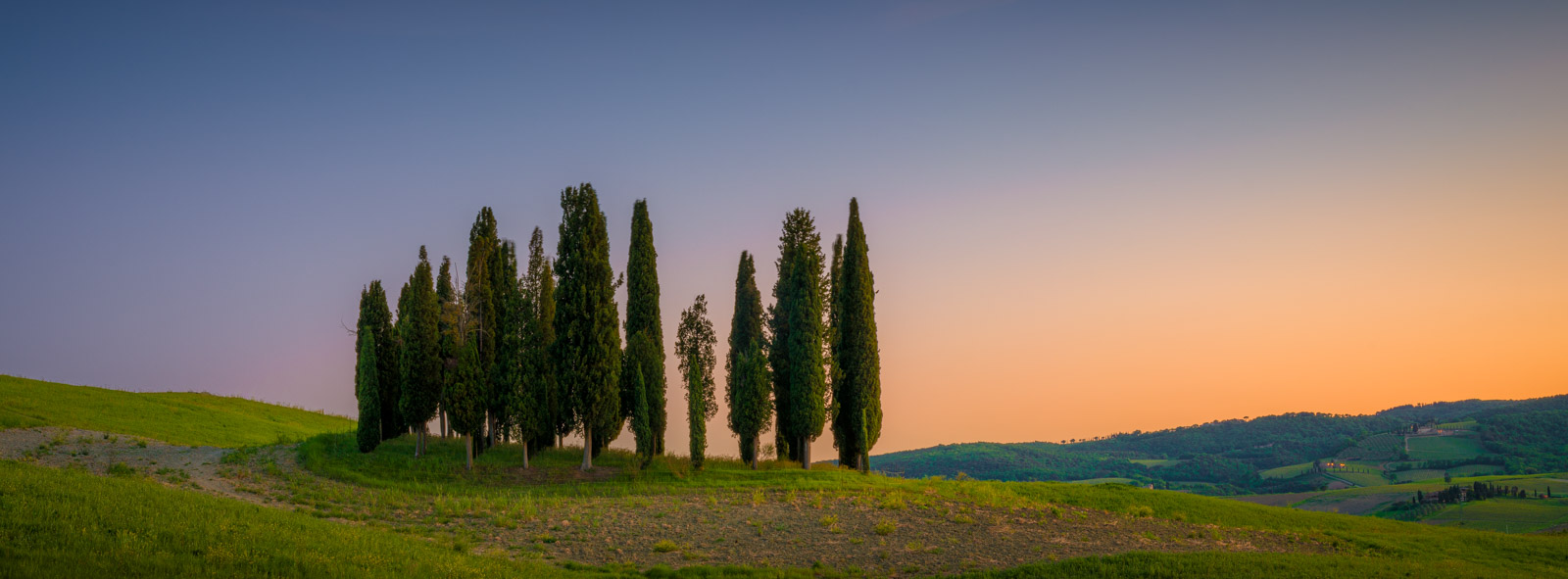
Final Thoughts
Landscape photography is not about recording everything that is in front of us. It is about making choices.
The most successful images are often those where the photographer has identified what matters most and then built the composition around that idea.
The next time you find yourself standing in front of a visually complex scene, resist the temptation to photograph everything. Instead, slow down, simplify and search for structure.
You may find that the strongest image was there all along, hidden amongst the chaos.
If you would like to learn in more detail how to find order in chaos, consider joining me on one of the many landscape workshops I run each year. A full list of my current workshop programme can be found on the Workshops Page here >>.