Learning to See Smaller Scenes
When most photographers think about landscape photography, they imagine sweeping mountain vistas, dramatic coastlines and expansive views stretching to the horizon. These grand scenes are often what inspire us to pick up a camera in the first place.
Some of the most rewarding photographs, however, can be found by looking in the opposite direction.
Over the years, I've noticed that many photographers become so focused on finding the big picture that they overlook countless opportunities right beneath their feet. They arrive at a location with a particular image in mind and spend their time searching for the obvious viewpoint, often missing the smaller details that make a landscape unique.
Learning to see smaller scenes is a skill that can transform your photography.
Looking Beyond the Grand Vista
We've all experienced it.
You arrive at a well-known location, only to find that the weather isn't cooperating. The dramatic sunrise fails to materialise, the sky remains stubbornly grey, or the conditions simply don't match the image you had imagined.
It's easy to feel disappointed.
Yet these situations often provide the perfect opportunity to slow down and explore the landscape more carefully.
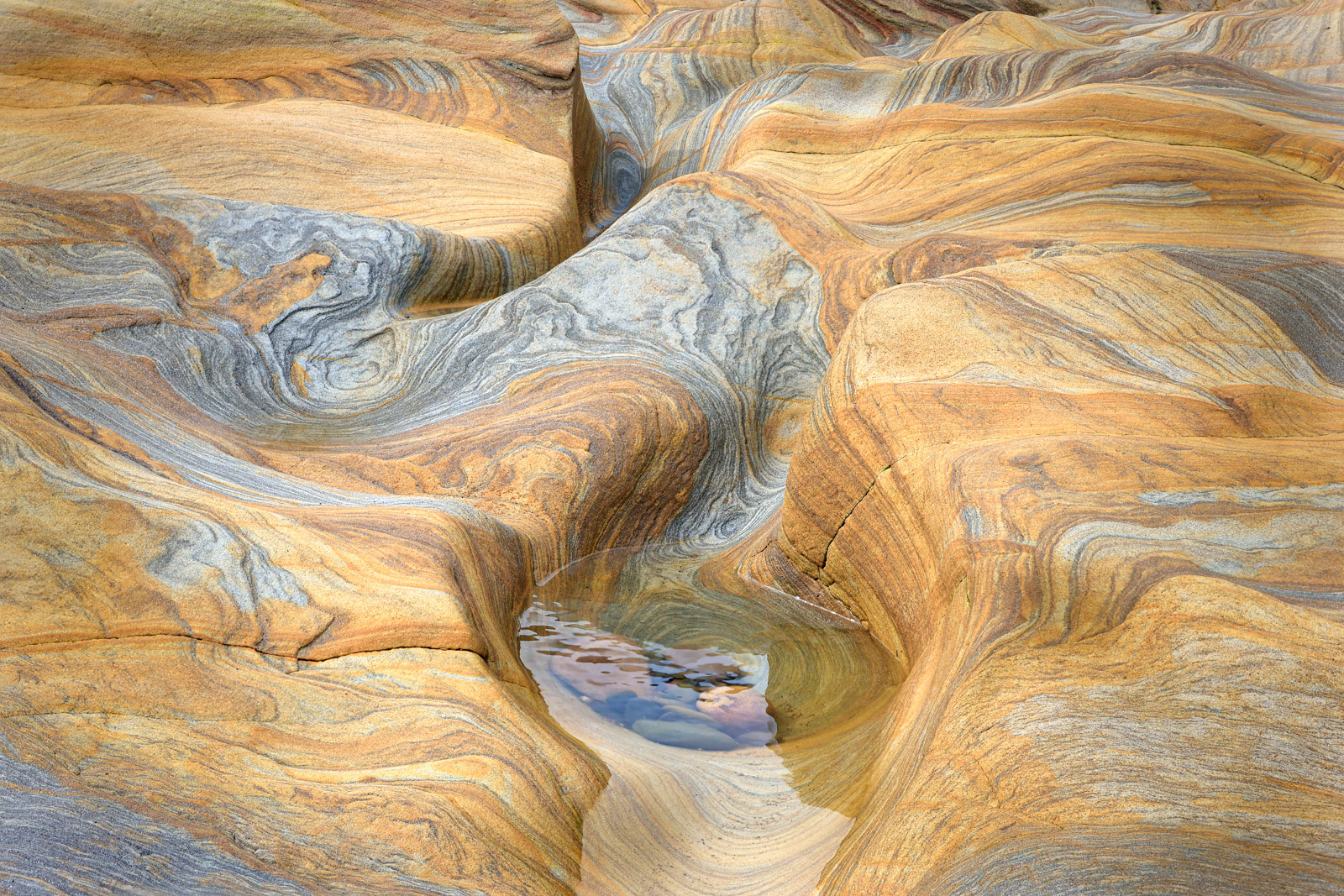
Instead of looking at the entire scene, try searching for individual elements that catch your attention. A pattern in the rocks, an isolated tree, colourful leaves among fallen bracken or an interesting arrangement of textures can often make a far stronger photograph than the wider landscape.
The challenge is learning to recognise these opportunities.
Training Yourself to See Differently
Seeing smaller scenes doesn't happen automatically. Like any photographic skill, it requires practice.
One exercise I often recommend is to put the camera away for a few minutes and simply walk through a location looking for shapes, patterns, textures and relationships between objects.
Ask yourself:
- What is attracting my attention?
- Is there a repeating pattern?
- Does one element stand out from its surroundings?
- Can I simplify the scene?
- Would this work as a photograph on its own?
When we stop searching for the obvious view, we often begin to notice subjects that would otherwise go unnoticed.
The Beauty of Simplicity
One of the strengths of smaller scenes is their ability to simplify a composition.
Large landscapes often contain numerous competing elements. Mountains, trees, rivers, clouds and foreground interest all demand attention, making composition more challenging than it first appears.
Smaller scenes allow us to focus on a single idea.
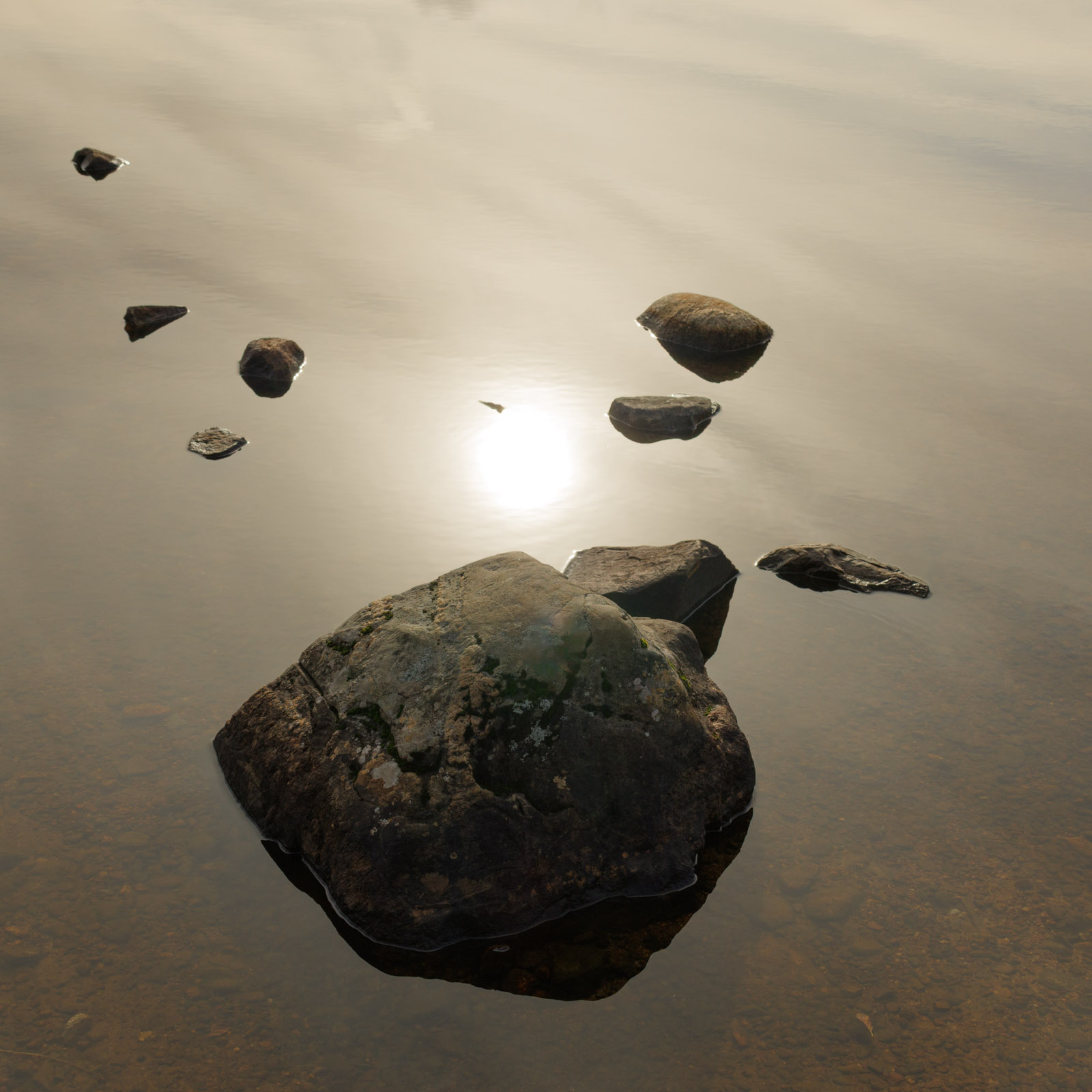
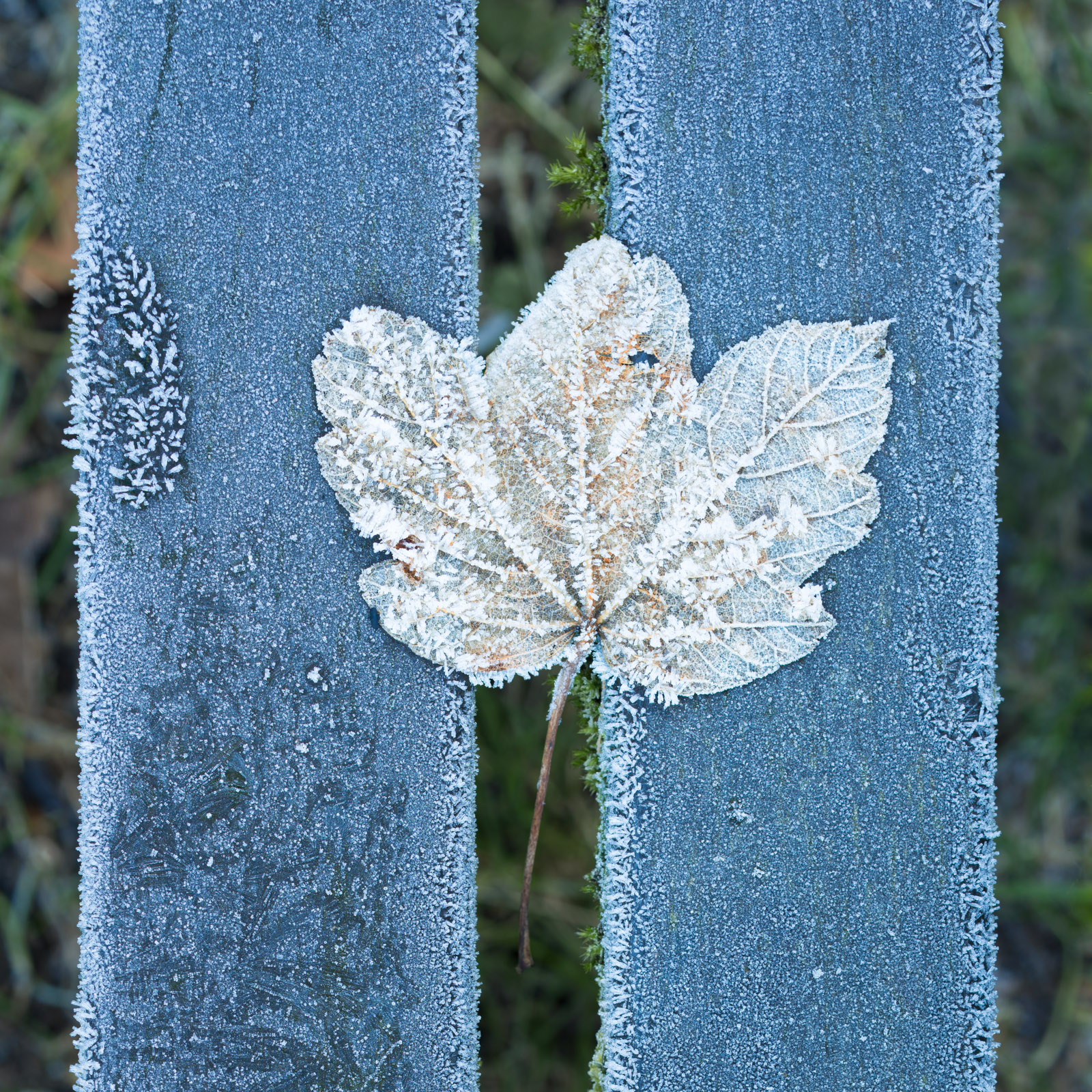
A frost-covered leaf on a park bench. A group of rocks surrounded by flowing water. A patch of colourful autumn foliage illuminated by soft light.
By reducing the number of elements within the frame, we can often create photographs with greater impact and clarity.
The viewer immediately understands what attracted us to the scene.
Smaller Scenes Work in Almost Any Weather
Many photographers wait for spectacular conditions before heading out with their camera.
Whilst dramatic light can certainly enhance a photograph, smaller scenes are often less dependent on weather and lighting.
In fact, some of the best conditions for intimate landscape photography occur on overcast days.
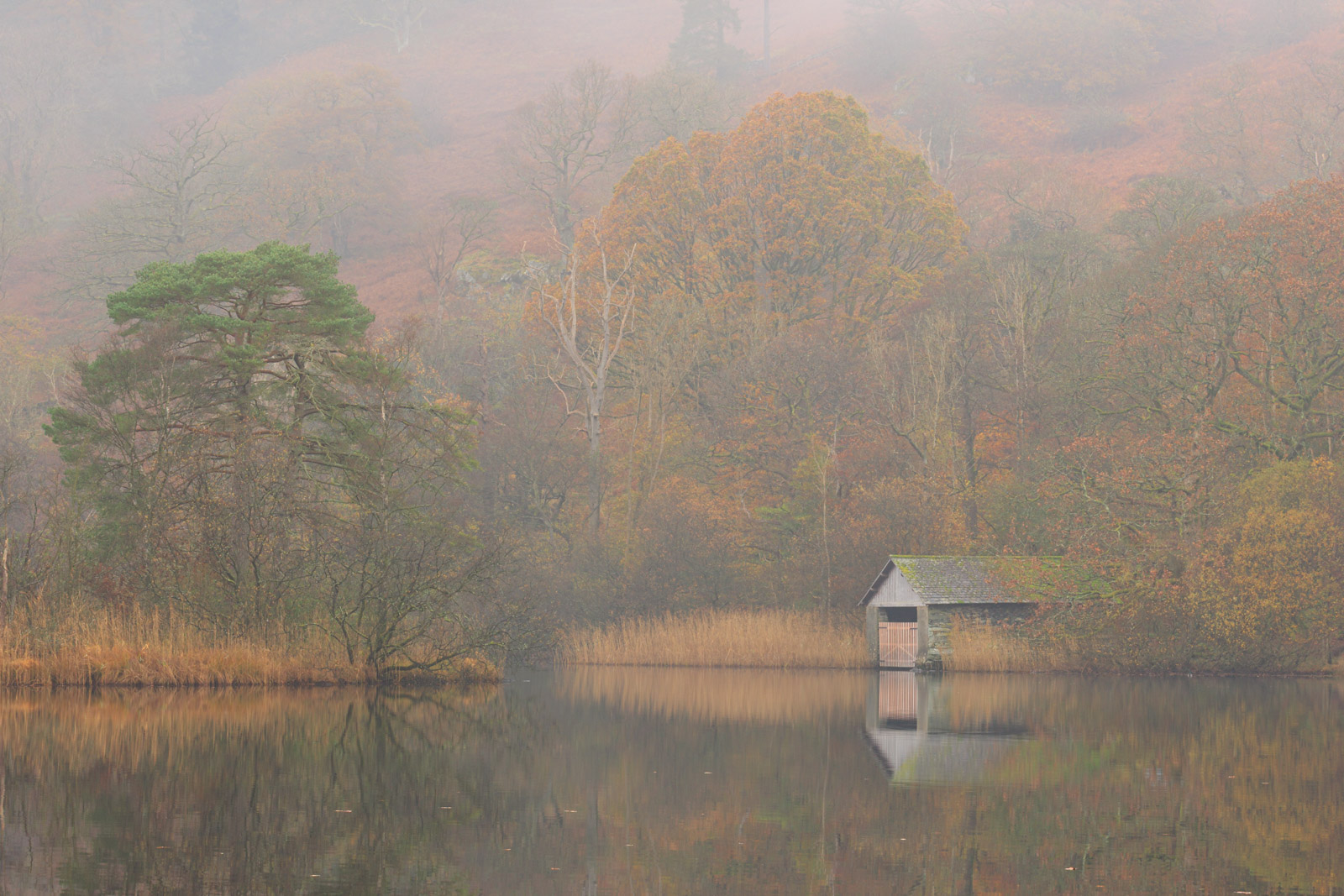
Soft cloud cover reduces contrast, reveals subtle colour and allows textures to be recorded without harsh shadows. Woodland photography, in particular, often benefits from these gentler conditions.
Mist, drizzle, frost and even flat grey skies can all create opportunities for photographs that might be overlooked by photographers searching exclusively for dramatic vistas.
Slow Down and Explore
One of the greatest advantages of working with smaller subjects is that it encourages a slower and more thoughtful approach.
Instead of rushing from one viewpoint to another, you spend time exploring.
You begin to notice how light falls across a surface, how colours complement one another and how shapes interact within the frame.
This process of observation is an important part of developing your photographic vision.
The more time you spend studying a scene, the more likely you are to discover images that others walk straight past.
Lens Choice and Perspective
Whilst any lens can be used for intimate landscapes, many photographers find that longer focal lengths help isolate smaller subjects from their surroundings.
Telephoto lenses allow us to simplify a scene by excluding distractions and concentrating attention on the most important elements.
That said, the lens itself is not the most important consideration.
The real challenge is recognising the photograph before you raise the camera to your eye.
Developing the ability to see potential images within a larger landscape is far more valuable than any particular piece of equipment.
Some of My Favourite Images
When I look back through my own portfolio, many of my favourite photographs are not the dramatic mountain panoramas or famous viewpoints.
Instead, they are often the quieter images.
Photographs of details in the landscape that caught my attention because of their shape, texture, colour or simplicity.
They may not shout for attention in the same way as a grand vista, but they often reveal more about the character of a place and the way I experienced it at that moment.
These are the images that reward careful observation.
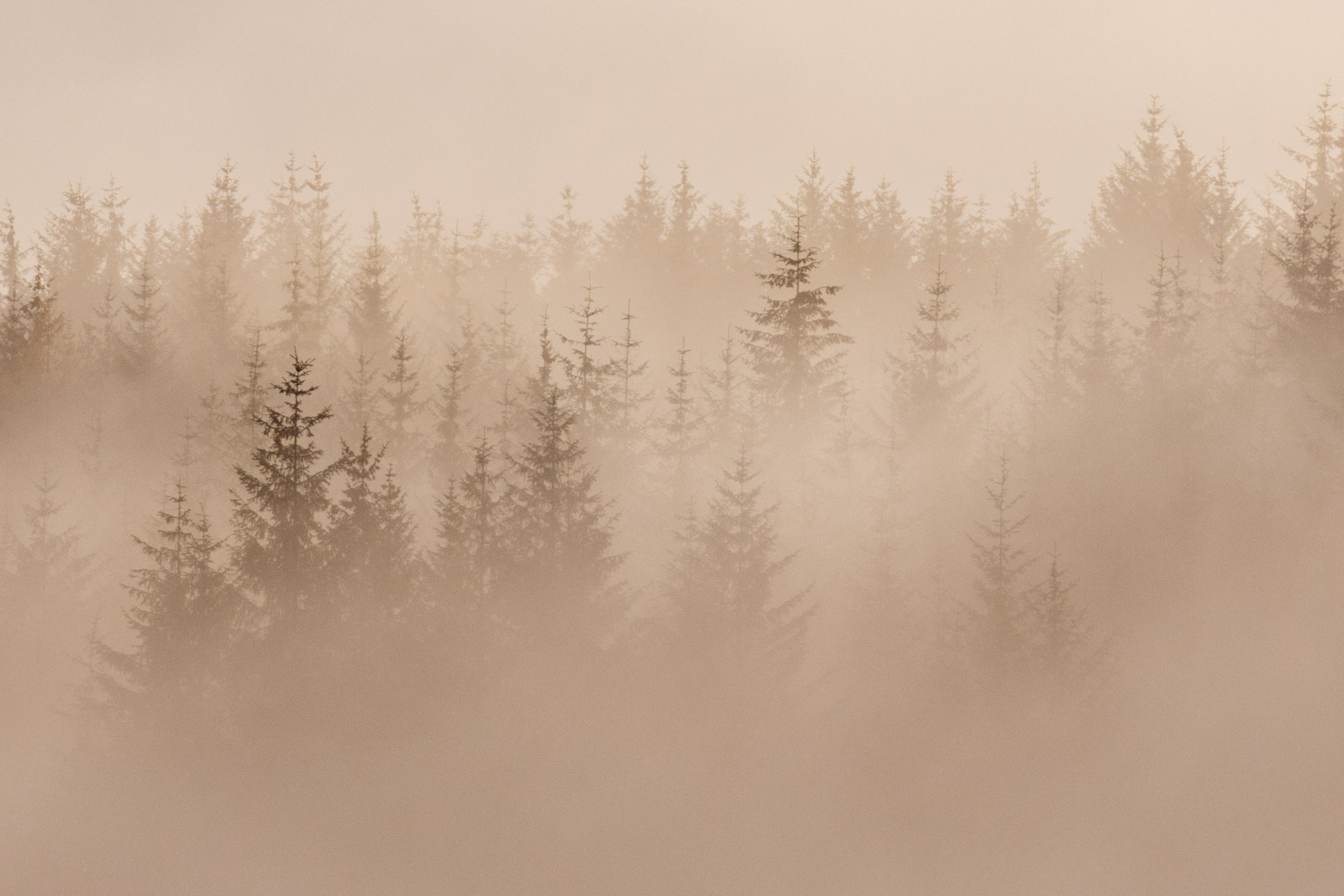
Ability to observe
Learning to see smaller scenes is about more than finding alternative subjects. It is about developing your ability to observe.
The next time you visit a favourite location, challenge yourself to spend some time looking away from the obvious view. Explore the details, the patterns and the subtle relationships within the landscape.
You may discover that some of your most successful photographs are not the ones that capture the entire scene, but the ones that reveal a small part of it.
After all, landscape photography is not simply about recording what is in front of us. It is about learning to see.
If you would like to learn about this subject in more detail, why not join me on one of my numerous workshops I run each year? My full workshop programme can be found on the Workshops Page here >>.